Living in Portugal
3.45, 4.6 or 6.9 kVA? Choosing Electricity Power in Portugal
The power limit on your contract determines how many appliances can run together and how much you pay in daily standing charges.
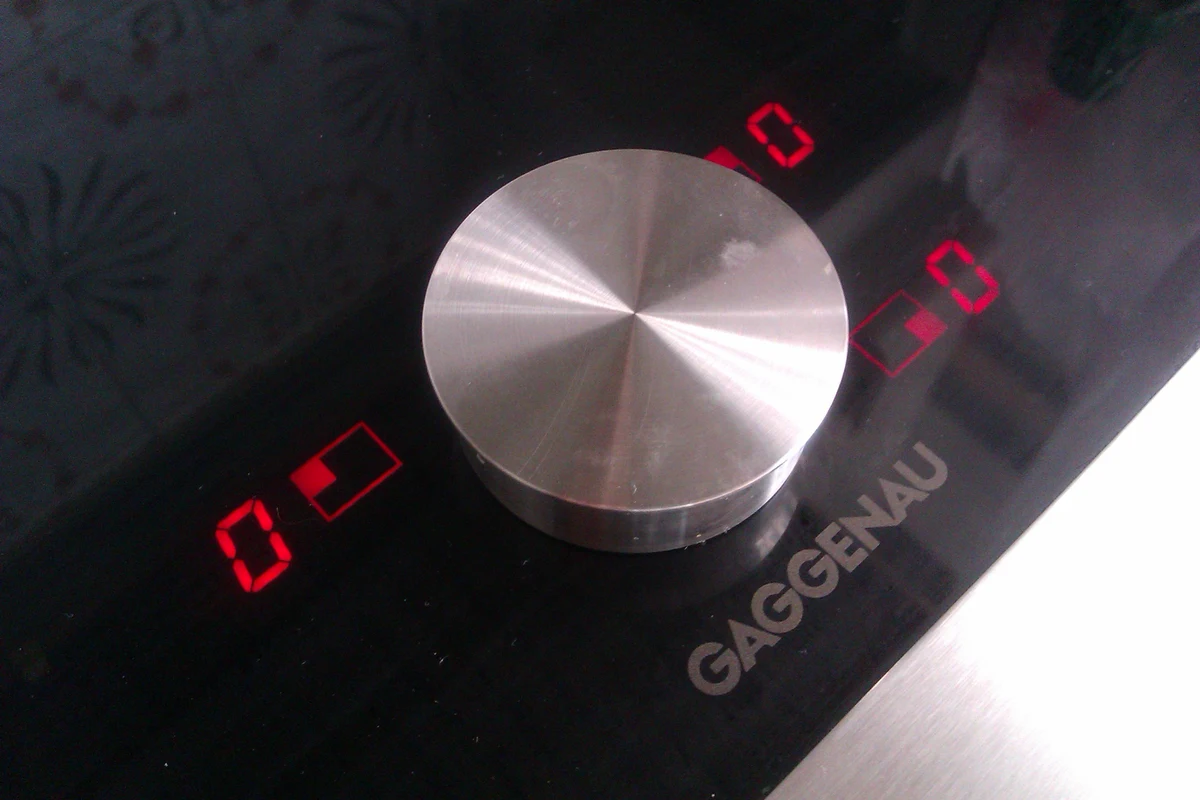
Potência contratada is the maximum electrical power available under your contract. It is measured in kilovolt-amperes, or kVA. Choose it for appliances running at the same time, not the total electricity used in a month. A household that staggers heating, cooking and charging may need a lower limit than one that runs them together.
What is the difference between kVA and kWh?
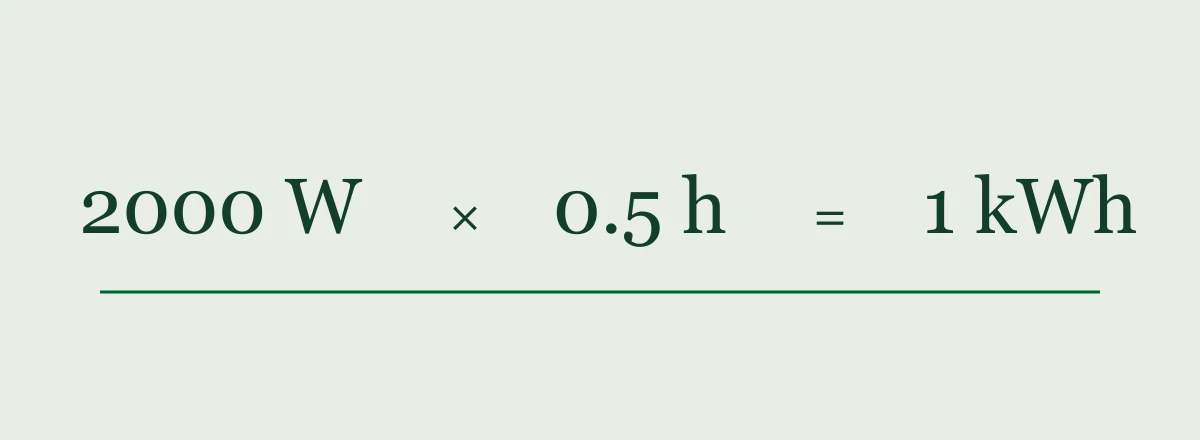
Your bill measures the electricity you use in kilowatt-hours, or kWh. Contracted power is the limit on how much can be drawn at once. To estimate that demand, add the watt ratings on the appliances running together. The total is approximate because motors and other equipment can draw extra power when starting.
For example, a 2,000 W kettle, a 2,000 W heater and 300 W of background equipment add up to 4,300 W. A 3.45 kVA contract is unlikely to accommodate that combination. Turning off the heater while the kettle boils changes the calculation.
Which contracted-power levels can you choose?
ERSE lists 13 normal low-voltage levels: 1.15, 2.3, 3.45, 4.6, 5.75, 6.9, 10.35, 13.8, 17.25, 20.7, 27.6, 34.5 and 41.4 kVA. Your installation’s authorised maximum determines which of these you can request.
The calculator adds the electrical input of the appliances you select, then shows the next single-phase contract level above that total. A second result adds 15% spare capacity to illustrate the effect of a margin. Use the ratings on your own equipment when comparing the two.
Estimate your contracted power
Select the appliances you may run together and enter their electrical input in watts.
How do three-phase supply and smart meters change the choice?
With three-phase supply, the distribution of appliances across phases matters. A 6.9 kVA total can correspond to 2.3 kVA per phase. ERSE notes that some network arrangements allow different monitoring of total power. Ask the network operator how your installation is controlled. Adding all appliance loads without checking their phases can give a misleading answer.
Smart meters can enforce the contracted limit more accurately than an older limiter. A combination that previously worked may now trip the supply. Repeated tripping can also indicate an electrical fault. If one circuit trips or wiring becomes hot, ask a qualified electrician to investigate rather than simply increasing contracted power.
What about induction, heat pumps and EV charging?
EV charging can dominate the total. ERSE gives 2.3 and 3.7 kW as examples of slow charging. Check the charger's actual setting. Charging overnight, delaying the water heater or using properly configured load management may avoid a larger contract. A three-phase charger needs a phase-aware assessment.
For other equipment with high demand, check the following ratings.
- Induction hob: use its configured power limit, not a guess based on one ring.
- Heat pump: check electrical input and backup resistance heating. Advertised heating output is not electricity demand.
- Ovens, washing machines, dishwashers and water heaters: account for the heating stage.
How much does extra power cost?
The bill includes a fixed power charge, normally expressed in euros per day. The amount depends on the supplier's offer and regulated network charges. A higher level can also affect the energy price or other contract conditions. Compare the whole offer using ERSE's price simulator.
To compare offers, multiply the difference in their daily charges by the number of days. For example, an extra €0.10 a day adds €36.50 before tax over 365 days. Also check social-tariff eligibility before moving above 6.9 kVA, its contracted-power ceiling.
How do you change power, and what happens afterwards?
Contact your electricity supplier. ERSE says the contractual change is free and has no limit on the number of requests. An integrated smart meter can usually be changed remotely. Other meters may require a visit. A missed appointment can have a charge.
A request above the installation's authorised capacity may require technical work and certification. Those costs are separate from the free contractual change. Confirm the available capacity, any installation work and the new tariff before accepting.
Read the current kVA level and daily power charge on your bill.
Check the labels of equipment used together, including water heating and charging.
Ask the supplier for the complete price at the proposed level and whether a visit or technical work is needed.
After the change, check the power level and daily charge on the next bill.
Join the conversation
Add your Note
Sign in or create a free account to respond. Reading the conversation remains open to everyone.