People & Culture
Portuguese Names Explained: Given Names, Surnames and Their Order
Portuguese registration rules usually allow two given names and four surnames, and families can choose the order of the surnames.
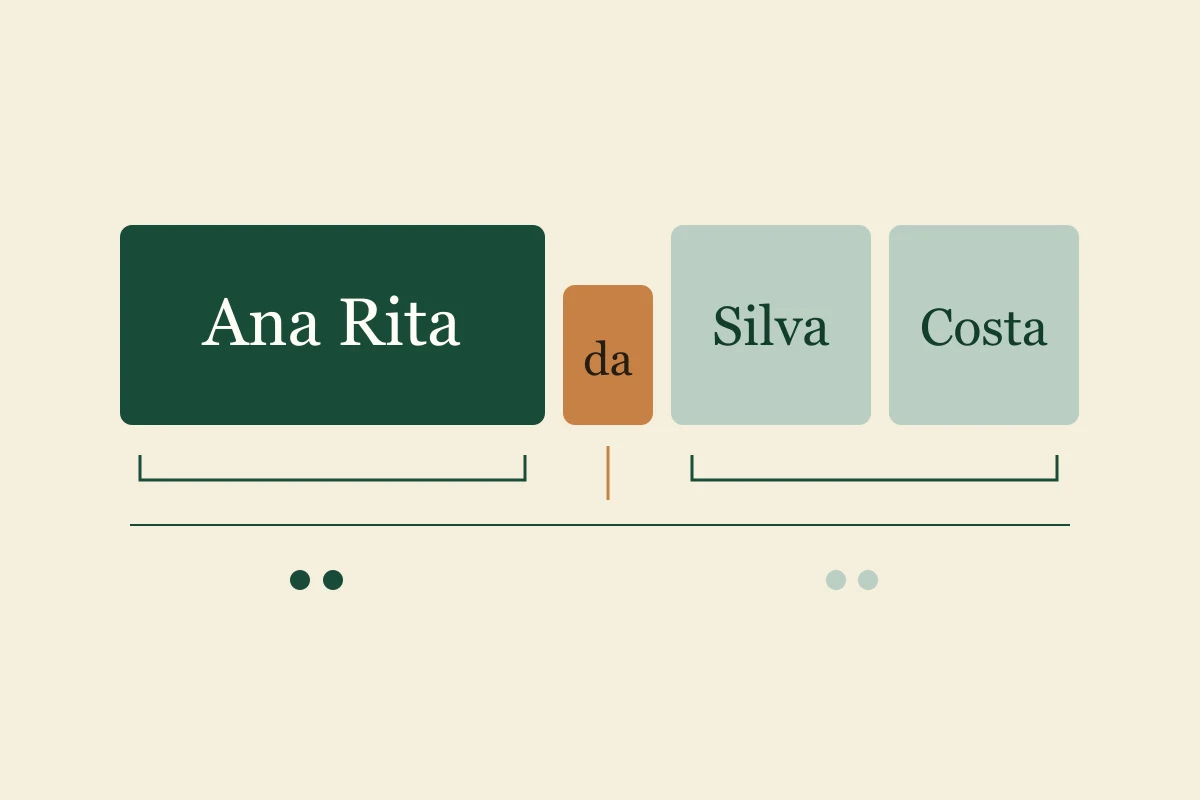
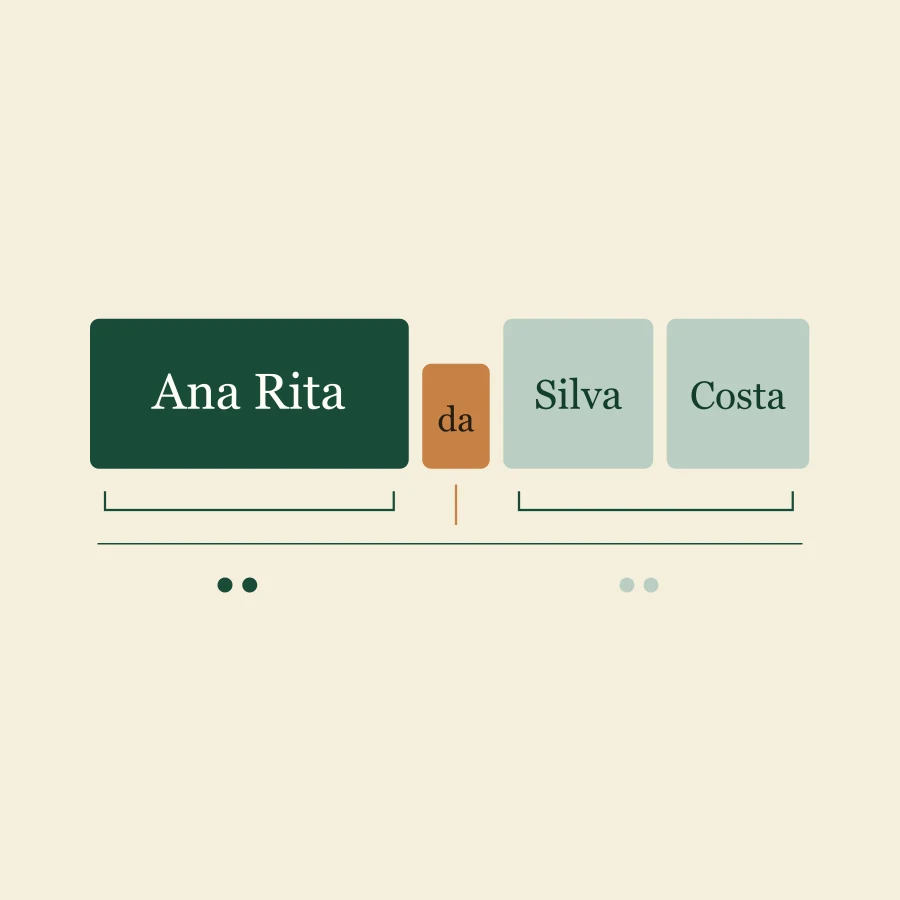
A Portuguese full name can combine several family names without hyphens. In Ana Rita da Silva Costa, for example, Ana Rita are the given names and Silva and Costa are surnames. The small word da links the parts. People often use a shorter version in daily life.
Why can the full name be so long?
A child’s registered name normally allows up to two given names and four surnames. Portuguese forms call the given name nome próprio and the surname apelido. The surnames can come from several branches of the family.
Article 103 of the Civil Registration Code counts simple or compound name units. IRN, the Institute of Registries and Notary, explains that linking words such as de, da, do and e do not count towards the limit. A recognised compound surname can also contain more than one word. Counting the spaces on a document therefore gives the wrong test.
Does the mother’s surname always come first?
Putting a maternal surname before a paternal one is an established convention, described by the language service Ciberdúvidas. Families do not have to follow it. They may choose surnames from both parents or only one.
A surname from a grandparent or an earlier ancestor can also be used. If neither parent carries it, IRN requires evidence of that family connection. Parents with the same surname can pass it on twice, either together or separated by another surname.
Because families have those choices, you need family records or the person’s explanation to identify which relatives supplied the surnames.
Explore a Portuguese name
What do de, da, do, dos and das mean?
De means “of” or “from”. Da, do, das and dos combine it with a definite article. In a name, these small words link elements. They are not evidence of nobility.
Keep the spelling shown on the person’s identity document when completing an official form. A surname such as da Silva should not lose its particle simply because a website provides one box labelled “surname”.
Which name do people use every day?
A person may use a shorter combination of given name and surname, or be known by the second given name. There is no single automatic abbreviation that tells you what someone wants to be called. Follow the name they use to introduce themselves.
Alphabetical filing depends on the list. A surname index commonly starts with the final surname and does not file Portuguese de or da as if they were independent surnames. A classroom list or software directory may sort the full name instead. Follow the institution’s indexing rule, while keeping the complete registered name in its record.
What changes when someone marries?
Each spouse keeps their own surnames and may add up to two surnames from the other spouse under Civil Code article 1677. The option applies to either spouse. Marriage does not require a shared surname.
This addition is a separate rule from naming a child at birth. It helps explain why an adult’s legal name can be longer than a simple reading of the birth-registration limit suggests.
Can a child have a foreign given name?
Portuguese given names must normally belong to Portuguese naming usage or have an accepted Portuguese adaptation. IRN says the first given name must not leave the child’s sex in doubt. Living siblings cannot have exactly the same given names.
Foreign names in their original form are allowed in specified situations. These include a child born abroad, a child with another nationality as well as Portuguese nationality, or a parent who is foreign or also has another nationality. For a foreign child, surname selection follows the law of that child’s nationality. Portuguese law prevails when the child also holds Portuguese nationality.
The civil registry office handling the birth can advise on a proposed name before you submit the registration.
Join the conversation
Add your Note
Sign in or create a free account to respond. Reading the conversation remains open to everyone.