Moving to Portugal
When Do You Become Tax Resident in Portugal?
Moving into a home in Portugal can start your tax residence before you have spent six months here.
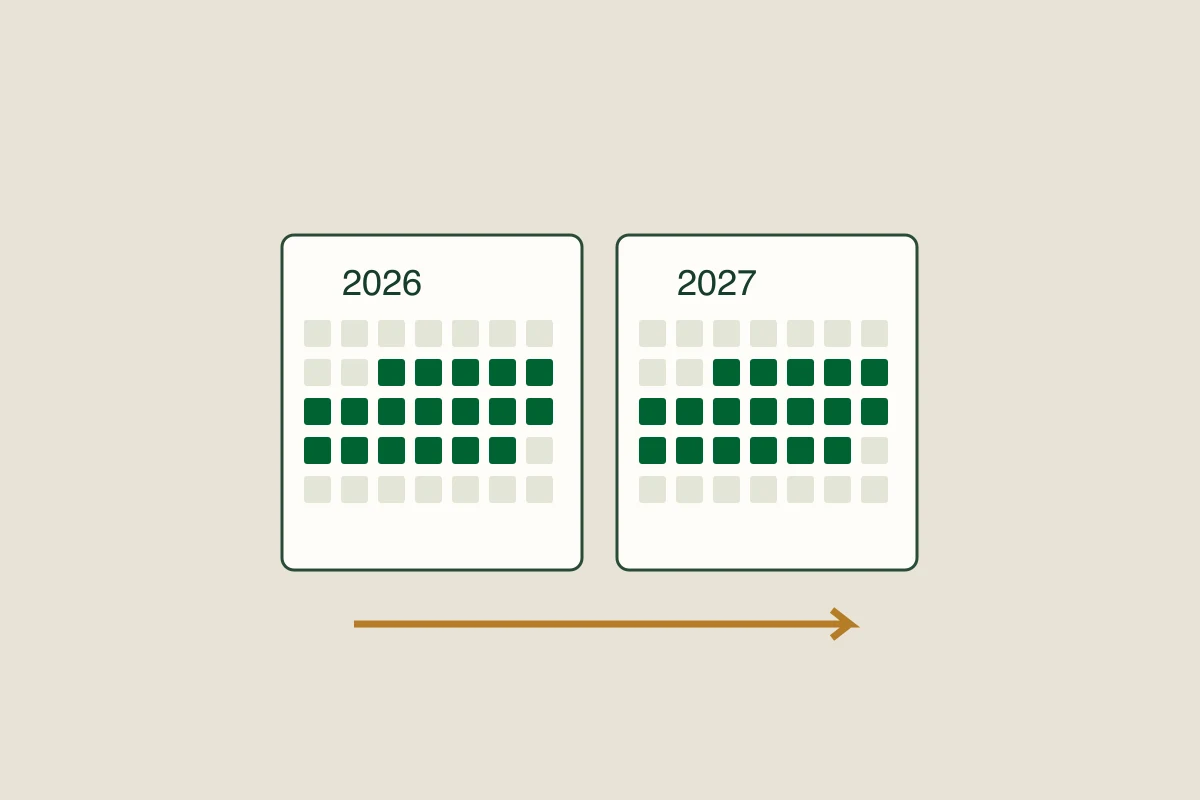
Portugal can treat you as a tax resident because of the time you spend here or because you have a home here that you intend to live in regularly. Once you qualify, tax residence normally starts on the first day of your stay. The date matters because residents must report income from abroad as well as from Portugal.
How does the 183-day test work?
The rule is more than 183 days in Portugal, which means at least 184. Count a day if you spend the night here. Separate visits count towards the same total, so a trip abroad does not reset the count.
Look at any 12-month period that begins or ends in the tax year. It can run across 31 December. For example, nights spent here in the autumn can count with nights in the following spring. Article 16 of the Código do IRS, Portugal’s personal income-tax code, sets out these rules.
Can a home make you resident sooner?
Yes. You can qualify after a shorter stay if you have a home in Portugal and the circumstances show that you intend to keep it and live in it regularly. This is what the law calls a habitual residence. The home can be owned or rented.
A property purchase or lease is evidence, but it does not settle the question by itself. Moving your household into the home helps show that you intend to live there. Keeping a holiday apartment for occasional visits is a different situation.
The Tax and Customs Authority, AT, refers to fewer than 180 days in its general address-change explanation. Article 16 instead links the home test to a stay shorter than the more-than-183-day threshold. The statute contains no separate 180-day requirement.
Which date becomes the start of residence?
For example, someone arriving on 1 September may later satisfy the rolling 12-month test and have residence dated from 1 September. The qualifying days do not provide a tax-free waiting period.
Previous residence changes that calculation. If you were resident in Portugal on any day of the preceding year, the law can date residence from 1 January of the year in which you meet a residence condition.
Residence is assessed for each taxpayer. Keep your own travel record even when moving with a spouse.
Explore your tax-residence dates
The end date is the morning after the last night counted. Include relevant earlier visits.
How do you tell the tax office you have moved?
Having a NIF does not make you a tax resident. The Número de Identificação Fiscal is simply your tax identification number, and non-residents can have one. When you become resident, you need to update the status and address attached to it.
Notify the Autoridade Tributária e Aduaneira, Portugal’s tax authority, within 60 days of meeting a residence condition. Reporting the change late does not move the start date forward. The procedure depends on whether you hold a Portuguese Citizen Card.
Gather identification, residence documents and proof of your Portuguese address. Keep evidence of the date you moved.
Without a Portuguese Citizen Card, request the change through e-balcão on Portal das Finanças. Choose “Registo Contribuinte > Identific > Alteração Morada/Singulares”. You can also book an appointment at a tax office or Loja do Cidadão.
If you have a Portuguese Citizen Card, use the card’s address-change service. Afterwards, check that your tax record shows the correct address and residence date.
Which income falls within Portuguese tax?
Portuguese residents normally declare income from every country, including foreign salaries, rent and pensions. Non-residents are generally taxed here only on income from Portuguese sources. Article 15 of the IRS Code sets that distinction. Declaring foreign income does not necessarily mean paying tax on it twice, because exemptions and relief for tax paid abroad can apply.
If you are resident for only part of a year, the return separates that period from the months when you were non-resident. Income from abroad may need to be declared for the resident period. Keep the dates and income records together when preparing the return.
A foreign employer or bank account does not automatically make income foreign-source. Work carried out in Portugal needs particular care. A special regime such as IFICI is a separate eligibility question, not the definition of residence.
What if another country also considers you resident?
Read the applicable double-tax treaty. Its residence rules can resolve competing claims using factors such as an available permanent home, personal and economic ties, habitual abode and nationality. The wording and order must come from the actual treaty.
An accountant or tax lawyer can apply the treaty to the income and periods involved. Bring foreign residence certificates, tax returns and the dates of your move. This is particularly useful when you own a business or both countries claim tax on the same income.
What changes when you leave Portugal again?
Tax residence normally ends on the last day of your stay in Portugal. Some departures, however, leave you taxable as a resident for the whole year.
One rule applies if you spent more than 183 days here during that year and, after leaving, received income that would have been taxable and not exempt in Portugal. You can avoid that whole-year treatment by proving that the income was taxed because you were resident in another qualifying country.
For an EU country, or an EEA country that meets the tax-cooperation conditions, a comparable income tax can satisfy that requirement. Elsewhere, the rate on that income must be at least 60% of the Portuguese rate that would have applied.
Becoming Portuguese resident again in the following year also makes you resident for the whole departure year. Take your departure date, income records and any return plans to an accountant before filing.
Which records should you keep?
Retain evidence of your stays, home and income. An accountant or tax lawyer should review earlier visits, a return after leaving, competing treaty residence or the special rules for crews, public service abroad and Portuguese citizens moving to listed low-tax jurisdictions. These documents help establish the relevant dates.
- Dated travel log, tickets and accommodation records.
- Lease or purchase documents, evidence of occupation, utility records and the dates your household moved.
- Foreign residence certificates, income statements and proof of tax paid abroad.
Join the conversation
Add your Note
Sign in or create a free account to respond. Reading the conversation remains open to everyone.